 Kuebix is now a part of FreightWise
The freight market is more challenging than ever. In the last month, we have seen sharp increases in fuel prices, the spot truckload market getting closer and closer to truckload contact rates, and a shift to a carriers’ market now more than ever. The result? Rising costs.
Fuel costs are high.
Carrier rates are rising.
Truckload spot rates are in line with truckload contract rates.
At the start of the year, rising rates and fuel costs have put many shippers in a tough spot, facing transportation expenses that could far exceed their 2026 budgets. Companies are now asking how to stay within budget, how to reduce these impacts, and for those relying heavily on the spot market, how to ensure their freight actually gets picked up.
If you don’t have time to read through the entire article, here is what we want you to know.
- Consolidate your less-than-truckload (LTL) shipments now. Combine multiple smaller shipments into larger LTL loads or full truckload (TL) shipments.
- Communicate clearly across your organization. Sales orders, marketing promotions, and production schedules should all support efforts to consolidate shipments or send larger loads.
- Reduce your reliance on the spot market. While attractive when priced well below contracts, spot rates are now close to contract rates. Brokers typically still add their markup, and tender rejections are increasing.
We understand why companies rely on the spot market: freight variability and sometimes cheaper rates. But today, these advantages are fading. Also once freight rates rise, they typically won’t drop. Carriers will have them plateau or rise again when market fluctuations occur.
Let’s break down the current landscape and actionable steps for less-than-truckload (LTL) and truckload (TL) shipping—so you can keep your freight moving without breaking the bank.
Less-Than-Truckload (LTL): Ship Smarter, Consolidate, and Control Costs
The carrier pendulum has shifted, and they’re seizing every opportunity to maximize revenue especially with fuel surcharges. For many businesses, this means taking a hard look at how you ship LTL freight.
What you can do for your LTL shipments.
- Consolidate shipments. Combine multiple smaller shipments into larger LTL loads or even full truckload shipments when possible. Larger shipments help drive down your cost per mile and cost per pound.
- Review shipment frequency. While high-frequency shipping is convenient, it might cost more right now. Analyze which shipments can be batched without disrupting your supply chain.
- Align and enroll your organization: This may require a mindset shift across sales, marketing, and production teams. Sales should evaluate if customers can place larger orders, marketing can focus on bigger promotions, and production planning can accommodate shipment consolidation.
- Leverage fuel programs. Fuel surcharges can be brutal, especially now. Partnering with a 3PL, oftentimes can mitigate the impact of fuel surcharges as they can leverage the full buying power to reduce the surcharge amount.
- For example, one client avoided a potential six figure increase over three months due to FreightWise being able to negotiate a lower percentage increase than retail rates.
Truckload (TL): Plan Ahead, Lock in Contracts, and Stay Inside Your Routing Guide
The truckload market is proving just as challenging. Rates are climbing, with some carriers like JB Hunt forecasting up to a 20% increase over the next two years. Tighter and changing regulations, political factors, and overall demand are all creating an issue on tightened supply.
Here’s what you can do to keep your truckload costs in check in 2026:
- Lock in contract rates early. If you haven’t locked in contracted truckload rates, that is OK, however, when spot rates climb above contract rates, the market flips. What you will experience as a result if you are using spot truckload rates is higher rates than normal, lower tender acceptance rates, and ultimately a lot of volatility.
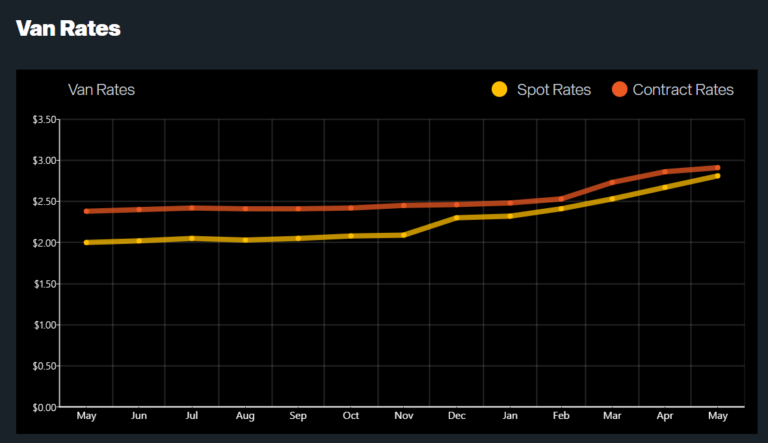
(Source: DAT)
- Monitor tender acceptance rates. The industry average for tender acceptance right now is around 65%, but unlike spot, with contracted rates you can negotiate what your tender acceptance rate should be. For example, FreightWise customers typically have an 80% tender acceptance rate with their primary carrier. So that means more consistency with carriers, but also making sure you are getting the truck at the rate you anticipated.
- Prepare for regulation impacts. New rules have pushed many drivers off the road, especially non-English-speaking operators from smaller fleets. This trend will continue to pressure capacity and pricing. Also the recent Supreme Court decisions mean brokers face higher legal liability, putting smaller brokers at risk. If you have to partner with brokers for spot, use reputable brokers who have the infrastructure and legal safeguards to support you.
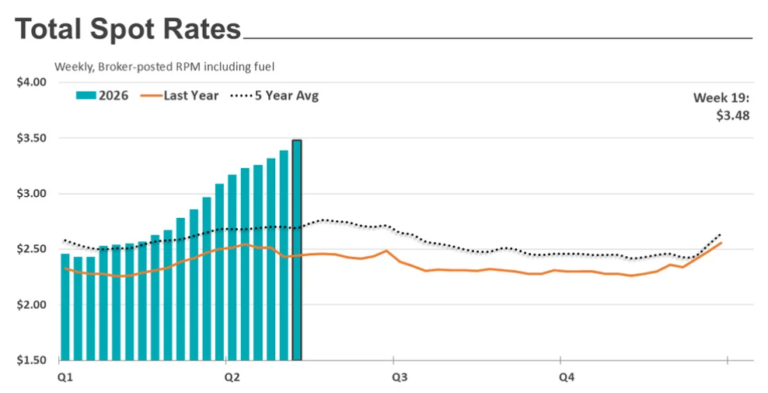
(Source: FTR Intel, Truckstop.com)
We may be biased, but reducing reliance on the spot market is more critical than ever. Spot pricing exposes you to sudden, unpredictable cost spikes. Moving freight to contract rates delivers stability and stronger financial control. If you use brokers, be cautious. Rising cargo theft and tender rejection rates mean you might not know who is hauling your freight.
The FreightWise Advantage: Helping You Move Forward with Confidence
Freight is always a cycle with peaks and valleys. Right now, it’s a carrier’s market. But with some key steps of consolidation, shifting to contract where you can, and ensuring your organization is mindful of the impact, you can hopefully mitigate the steep industry increases occurring right now.
If you’re seeking guidance or tools to manage today’s market conditions, FreightWise is ready to help. Let’s navigate the shifting tides together, so your business keeps growing with confidence and clarity.